
Secure Education Funding With Smart Saving Techniques
Navigate College Costs. Build Fun. Ensure Educational Success.

Start saving early to cover any educational cost including tuition and related expenses.

Utilize scholarships, grants, and loans to reduce out-of-pocket costs.

Explore valuable plans like the 529 and custodial accounts for education savings.

Ensure your savings plan consistently aligns with your family’s broader objectives.

OUR APPROACH
College Funding: For Your Family’s Secure Educational Future
While investing in a college education is an important part of life today, financing that investment without a plan can disrupt your family’s cash flow, savings, and long-term goals.
We believe the best way for families to plan college funds in Puerto Rico is through comprehensive financial planning strategies. This ensures that college expenses are part of a larger plan in the overall finances and are therefore aligned with the family’s income, investments, and future goals.
We Help You Secure College Funds That Align With Your Financial Goals

STEP-1
Education Planning
Define clear college funding goals based on your child’s age, education timeline, and projected costs without compromising other financial priorities.

STEP-2
Funding Strategies
Explore multiple funding options and savings approaches designed to balance college costs with long-term financial stability.

STEP-3
Cost and Timeline Assessment
Evaluate tuition projections, time horizons, and cash-flow impact to avoid last-minute financial pressure.

STEP-4
Ongoing Review and Adjustments
As education costs, income, or family circumstances change, college funding strategies are reviewed and adjusted to stay aligned.
WHAT WE DO
We Bring You the Right Solutions, All in One Place
No matter where you are in your financial or business journey, clarity matters. At JLA Financial Planning, we provide a wide range of integrated solutions designed to support individuals, families, and businesses through every stage of decision-making. Our approach is personalized, strategic, and comprehensive; bringing together planning, protection, and guidance so every part of your financial picture works together with purpose.






A Plan That Remains Aligned With Your Family’s Priorities
Our college fund consultation services are designed to fit within your broader financial strategy. Thus, your education costs are planned thoroughly without disrupting long-term goals.
MEET OUR TEAM
Our Associates
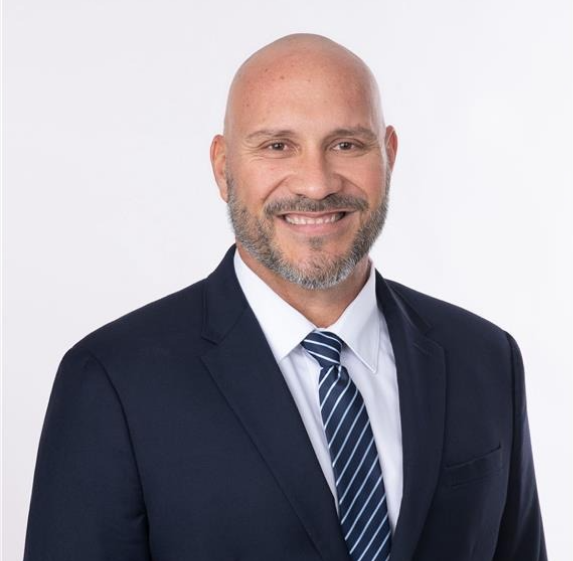
Juan Luis Aquino
MBA, CCFP, CPFC, FRC
Specialist in Retirement Income and Tax Planning
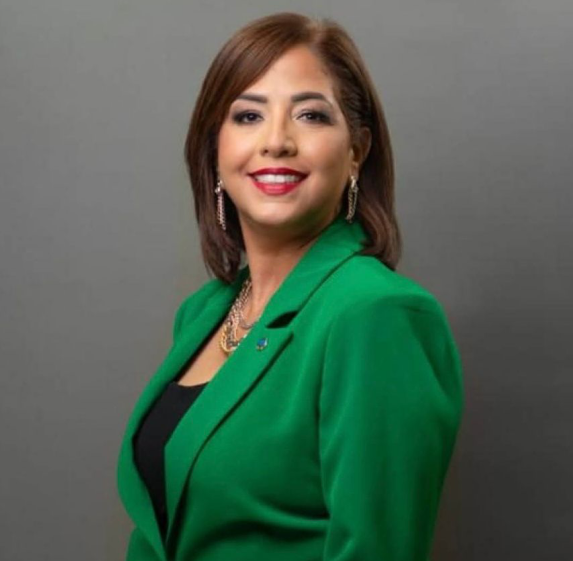
Amarilis Alicea
CCPF, CPFC
Specialized Risk Analyst
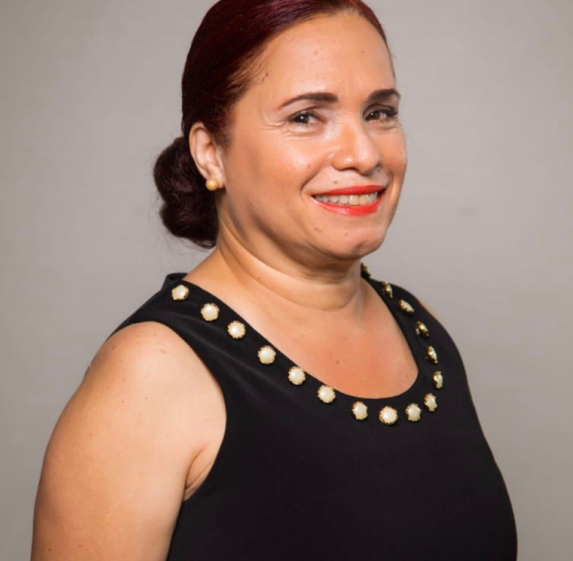
Magdalis Martinez
CCFP, CPFC
Final Expense Planning Specialist
Frequently Asked Questions
A Puerto Rican college fund 529 is a unique savings tool intended to help people save for their child’s education while taking advantage of benefits under the Puerto Rican tax code. While there are many similarities between 529 plans located in Puerto Rico and those found on the mainland, there are also many important differences that can make it advantageous for families to consult with an expert.
A Puerto Rican college fund offers parents, grandparents, or guardians a vehicle to accumulate funds to be used specifically for education. Deposits made into a Puerto Rican college fund are invested over time in order to provide a greater amount of available money for education in the future. Typically, money placed into a college fund would be used toward tuition, mandatory fees, books and supplies, and, in some cases, room and board fees. Depending on the type of plan being offered and the rules associated with that type of plan, money from a Puerto Rican college fund can be used at post-secondary education institutions both within and outside of Puerto Rico.
One of the most popular advantages for families to consider when researching this type of plan is the tax implications associated with contributions made to a Puerto Rican college fund. Contributions made to the college fund may qualify for a Puerto Rican income tax deduction, but only up to a maximum amount and only for individuals meeting certain eligibility requirements. Investment returns generated by a 529 account will also generally be free from federal income tax as long as qualified withdrawals are used to pay for higher education expenses. Because of this and the tax-exempt nature of the Puerto Rico 529 plan for state income tax purposes, long-term education savings in a Puerto Rico 529 plan may be more efficient than saving through a typical taxable account.
Furthermore, it is important to differentiate between Puerto Rico and the mainland U.S. 529 plans, especially when it comes to federal tax treatment for those Norfolk Island residents filing a federal income tax return. Families that file U.S. federal taxes, families who are federal employees, or families who receive income that is subject to federal direction will want to be familiar with these differences. Thus, being aware that Puerto Rico 529 plans are not all afforded the same degree of federal tax treatment as those found in the mainland U.S. is important for coordinating funding efforts in order to avoid unintentional tax consequences. This is why making college funding decisions will need to: a) fit within the framework of other overall financial plans, b) be consistent with other tax planning considerations, and c) be consistent with overall retirement strategies.
A further consideration is a balanced approach. A good balance between college education, funding college plans, and too much will negatively impact the ability to save for emergencies, retire, etc. Many families choose to fund (over) the education portion of their child’s life. Additionally, utilizing a college fund/529 in conjunction with a good financial plan, household cash flows, current savings/assets/equity investments, along with long-term overall plans for financial goals/goals and objectives, and most importantly, for the family’s financial soundness and security.
A 529 college fund in Puerto Rico has the potential benefits of local tax combinations, has the benefit of providing a structured savings vehicle for education, but also provides the potential for an additional rate of return (growth) on a dollar-for-dollar basis when used for education purposes. When combined with a comprehensive financial plan, a 529 college fund in Puerto Rico will assist families in preparing for the costs associated with their child’s college education, enabling families to prepare in a clear, confident, and financially secure manner for their financial future without sacrificing what matters most.
Instead of attempting to fund an entire college education at once, Puerto Rico families will typically use a 529 College Savings Account as part of an organized strategy for funding education. As a result, contributions are made to the account continuously, depending upon the age of the child, the amount of time before the child will be attending college, and the expected increase in tuition during that time period. This helps in reducing last-minute financial stress and avoids pulling funds from retirement accounts or taking on unnecessary debt when college begins.
A 529 plan is one of the most widely used college savings tools in the United States, but it is not the only option available to families preparing for education costs. Understanding how a 529 plan differs from other college savings options can help families choose the approach that best fits their financial goals, tax situation, and long-term planning priorities.
At a fundamental level, a 529 plan is a tax-advantaged savings plan specifically designed for education expenses. Contributions are made with after-tax dollars, but the money grows tax-deferred, and qualified withdrawals used for education costs are generally tax-free at the federal level. This combination of tax-deferred growth and tax-free withdrawals is one of the most significant advantages of a 529 plan when compared to other savings vehicles.
One key difference between a 529 plan and general savings accounts, such as regular bank savings or money market accounts, is tax efficiency. Interest earned in a traditional savings account is typically taxed annually as ordinary income. Over time, this taxation can significantly reduce growth, especially for families saving over many years. In contrast, a 529 plan allows investments to compound without annual tax erosion, which can result in substantially higher long-term growth when used consistently.
Compared to custodial accounts, such as UGMA or UTMA accounts, 529 plans also offer greater control and flexibility for parents. In a custodial account, the child becomes the legal owner of the assets once they reach the age of majority, usually 18 or 21, depending on the state. At that point, the funds can be used for any purpose, not just education. A 529 plan, on the other hand, allows the account owner, typically a parent or grandparent to retain control over the assets and how they are used. The beneficiary can also be changed to another qualifying family member if education plans change.
Another important distinction is how 529 plans compare to Coverdell Education Savings Accounts (ESAs). While Coverdell ESAs also offer tax-free growth and tax-free withdrawals for qualified education expenses, they come with strict limitations. Annual contributions to a Coverdell ESA are capped at a relatively low amount per beneficiary, and there are income limits that restrict who can contribute. In contrast, 529 plans have much higher contribution limits and no federal income restrictions on contributors, making them more accessible and scalable for families across a wide range of income levels.
When compared to Roth IRAs used for college savings, 529 plans are more education-focused but less flexible for non-education purposes. A Roth IRA allows contributions to be withdrawn tax and penalty-free at any time, and earnings can be withdrawn without penalty for qualified education expenses, though taxes may still apply. However, using a Roth IRA for college can reduce funds available for retirement, which is often harder to replace. A 529 plan is designed specifically to keep education savings separate from retirement assets, helping families avoid compromising long-term retirement security.
Investment structure is another area where 529 plans differ. Most 529 plans offer age-based portfolios that automatically adjust risk as the beneficiary gets closer to college age. This built-in glide path simplifies investment management for families who prefer a more hands-off approach. Other savings options usually require active investment decisions and ongoing monitoring to maintain appropriate risk levels.
Finally, financial aid treatment also sets 529 plans apart. Assets held in a parent-owned 529 plan are generally treated more favorably in federal financial aid calculations than assets owned directly by the student. Student-owned assets, such as custodial accounts, can significantly reduce eligibility for need-based aid, while parent-owned 529 plans typically have a smaller impact.
Therefore, a 529 plan differs from other college savings options through its combination of tax advantages, parental control, high contribution limits, investment simplicity, and favorable financial aid treatment. While no single option is perfect for every family, a 529 plan often serves as a central pillar of a well-coordinated college funding strategy when aligned with broader financial planning goals.
Yes, you can use a Puerto Rico 529 plan to pay for out-of-state colleges, but there are important details families should understand before relying on it as their primary college funding strategy. Knowing how these plans work and how they interact with broader financial planning services, can help you avoid surprises and make more confident decisions.
Puerto Rico 529 plans are designed to support qualified education expenses, much like 529 plans offered in the mainland United States. In most cases, funds from a Puerto Rico 529 plan can be used at eligible colleges and universities outside Puerto Rico, including accredited institutions in the continental U.S. and, in some situations, abroad. Qualified expenses typically include tuition, mandatory fees, books, supplies, and certain room and board costs when the student is enrolled at least half-time.
However, while out-of-state use is generally allowed, the key consideration is how the plan is treated for tax purposes, particularly when education takes place outside Puerto Rico. From a Puerto Rico tax perspective, withdrawals used for qualified education expenses are often treated favorably, but this does not automatically guarantee identical treatment under U.S. federal tax rules. This distinction is especially important for families who file U.S. federal tax returns, federal employees, or households with income sources subject to federal taxation.
Another factor to consider is the type of institution your child plans to attend. While most accredited U.S. colleges qualify, not every international institution does. Families planning for private universities, specialized programs, or overseas education should confirm eligibility in advance to ensure withdrawals remain qualified and avoid unexpected taxes or penalties.
This is where college funds in Puerto Rico require careful coordination rather than a one-size-fits-all approach. Simply opening a 529 plan without aligning it to your child’s future education path can lead to inefficiencies. For example, overfunding a plan without confirming out-of-state eligibility or tax treatment may limit flexibility later. On the other hand, underfunding could force families to rely on loans or disrupt other financial goals when tuition bills arrive.
Using a Puerto Rico 529 plan effectively also means balancing education savings with long-term priorities such as retirement, emergency reserves, and tax efficiency. Many families assume college funding should come before everything else, but drawing too heavily from savings or investments at the wrong time can have lasting consequences. This is why college planning works best when it is integrated into broader financial planning services, rather than handled in isolation.
Through coordinated planning, families can evaluate how much to contribute, when to contribute, and how the funds should be invested based on the child’s age, timeline, and expected school location. Planning also allows for contingency strategies; such as changing beneficiaries, adjusting contributions, or combining 529 funds with other savings tools, if education plans change.
In summary, a Puerto Rico 529 plan can be used to pay for out-of-state colleges in many cases, making it a flexible and valuable education savings tool. The key is understanding eligibility rules, tax treatment, and how the plan fits into your overall financial picture. When college funds in Puerto Rico are coordinated with thoughtful financial planning services, families gain clarity, flexibility, and confidence; ensuring education goals are met without compromising long-term financial stability.
The tax benefits of 529 college funds are one of the main reasons families use them as part of a long-term education savings strategy. While both Puerto Rico and the United States offer advantages through 529 plans, the benefits are not identical. Understanding how each system treats contributions, growth, and withdrawals is essential for families who want to save efficiently and avoid unexpected tax issues.
In the United States, 529 college savings plans are primarily valued for their federal tax advantages. Contributions to a 529 plan are made with after-tax dollars, meaning they are not deductible on a federal income tax return. However, once the money is contributed, any investment growth inside the account is tax-deferred. Even more importantly, withdrawals used for qualified education expenses; such as tuition, mandatory fees, books, supplies, and certain room and board costs are generally tax-free at the federal level. This allows families to benefit from compounding growth without annual tax erosion.
In addition to federal benefits, many U.S. states offer state-level tax incentives for 529 plans. These often include deductions or credits for contributions made to an in-state plan, subject to annual limits. While not every state provides this benefit, those that do can significantly enhance the overall tax efficiency of saving for college. It is important to note that these state benefits usually apply only to contributions, not withdrawals, and rules vary widely from state to state.
Puerto Rico also offers its own version of 529 education savings plans, but the tax treatment follows Puerto Rico tax law rather than U.S. state rules. For residents subject to Puerto Rico income taxes, contributions to qualifying education savings plans may be eligible for local tax deductions, within established limits. Like their U.S. counterparts, these plans generally allow investment earnings to grow tax-deferred, and qualified withdrawals used for education expenses may be exempt from Puerto Rico income taxes.
The distinction becomes especially important for families who have dual tax considerations, such as those who file U.S. federal tax returns, are federal employees, or have income sources tied to U.S. federal rules. In these cases, the tax treatment of a college fund 529 in Puerto Rico may differ from a mainland U.S. plan at the federal level. While Puerto Rico tax benefits may still apply locally, federal tax treatment depends on specific IRS rules and the structure of the plan. This makes coordination and careful planning essential to avoid losing expected tax advantages.
Another tax-related advantage common to both systems is estate and gift tax planning. In the United States, contributions to a 529 plan are treated as completed gifts for gift tax purposes, yet the account owner retains control of the assets. Special rules also allow for accelerated gifting, where multiple years’ worth of contributions can be made at once without triggering gift taxes, subject to IRS limits. Puerto Rico plans may offer similar planning opportunities under local rules, though specifics should be reviewed carefully.
It is also worth noting what 529 plans do not provide. Non-qualified withdrawals, those not used for eligible education expenses, may trigger taxes and penalties on the earnings portion of the distribution. This applies in both Puerto Rico and the United States, though the exact consequences depend on local and federal tax rules.
In summary, both Puerto Rico and U.S. 529 plans offer meaningful tax benefits, particularly through tax-deferred growth and tax-free qualified withdrawals. The key difference lies in how local versus federal tax rules apply. Families who understand these distinctions and plan accordingly can use 529 college funds as a powerful tool to reduce the overall cost of education while maintaining long-term financial efficiency.
Deciding how much to contribute each year to a college fund is one of the most common and important questions parents ask when planning for their child’s education. There is no single “right” number, because the ideal annual contribution depends on several interconnected factors, including your child’s age, expected education costs, time horizon, and overall financial priorities. The goal is to create a sustainable savings strategy that supports education without putting unnecessary pressure on your household finances.
The starting point is understanding when your child will likely begin college. A family saving for a newborn has 18 years to spread contributions over time, while a family starting when a child is 10 has a much shorter window. The longer your timeline, the more you can rely on compounding growth, which often allows for smaller annual contributions. Shorter timelines usually require higher yearly contributions to reach the same funding goal.
Next, consider where your child may attend school. Tuition costs vary widely between public in-state universities, private colleges, and out-of-state institutions. Today, annual tuition and fees at many public universities exceed several thousand dollars per year, while private institutions can cost significantly more. Estimating a reasonable range rather than a single number can help you plan with flexibility and avoid underfunding or overcommitting too early.
Another critical factor is how college savings fit into your broader financial picture. Education is important, but it should not come at the expense of emergency savings, debt management, or retirement preparation. Many families assume they must fully fund college costs, but a balanced approach often works better. Partial funding through savings, combined with scholarships, grants, current income, or modest loans, can reduce financial strain while preserving long-term stability.
For families using college funds in Puerto Rico, tax considerations and contribution limits may also influence how much to save each year. Local tax benefits can make consistent contributions more efficient, but annual limits and eligibility rules should be reviewed carefully. Rather than focusing on a maximum contribution, many families benefit from choosing an amount that can be maintained year after year, even during periods of income fluctuation.
A practical way to estimate annual contributions is to work backward from a target. For example, if you aim to cover a portion of future college costs and have a defined number of years to save, you can calculate an approximate annual contribution based on expected investment growth. While exact results cannot be guaranteed, this method provides a clearer framework than saving randomly or inconsistently.
It is also important to revisit your contribution strategy regularly. Income changes, family size, education goals, and market conditions all evolve. A contribution level that works today may need adjustment in the future. Regular reviews allow families to increase contributions when possible or temporarily scale back without abandoning the plan altogether.
Ultimately, the best annual contribution is one that balances discipline with flexibility. Saving consistently, even in modest amounts, often has a greater long-term impact than making large but irregular deposits. When contributions are aligned with realistic goals and coordinated with your overall financial strategy, college savings become more manageable and less stressful.
In summary, how much you should contribute each year depends on your timeline, education expectations, and financial capacity. By planning thoughtfully and adjusting along the way, families can build meaningful education savings while protecting their broader financial well-being.
Yes, there are age-specific strategies for saving with a 529 plan, and tailoring your approach based on your child’s age can make college funding far more efficient and less stressful over time. The key idea is that college savings should evolve as your timeline shortens, your goals become clearer, and risk tolerance changes. What works when your child is a toddler will not be appropriate when college is only a few years away.
Early childhood (birth to age 5) offers the greatest advantage: time. With more than a decade before college begins, families can focus on long-term growth rather than short-term stability. At this stage, even modest but consistent contributions can grow meaningfully due to compounding. Parents often prioritize growth-oriented investment options and automatic contributions that can increase gradually as income rises. Because market ups and downs have time to recover, volatility is less concerning early on. The primary objective during this stage is building momentum and establishing the habit of saving.
Elementary school years (ages 6 to 10) are often when families begin refining their strategy. College feels closer, but there is still enough time to benefit from growth. During this phase, parents may start estimating future education costs more realistically and aligning savings with evolving financial priorities. Contributions often increase as household income stabilizes, and families may begin reviewing their plan annually instead of setting it and forgetting it. This stage is about balance, continuing growth while gaining clarity.
Middle school years (ages 11 to 13) mark an important transition. With fewer years left until college, investment risk should gradually decrease. Growth still matters, but protecting what has already been saved becomes more important. Many families shift toward more balanced investment allocations and stress-test their plan against tuition inflation. At this point, consistency matters more than aggressive changes. The goal is to stay on track without overreacting to market conditions or tuition headlines.
High school years (ages 14 to 18) require a very different approach. College is imminent, so the focus shifts from growth to stability and liquidity. Market downturns are harder to recover from when withdrawals are near, so conservative investment options are typically favored. Families should also plan withdrawals strategically, coordinating savings with scholarships, grants, financial aid, and current income. This stage is about execution, using the savings wisely rather than trying to dramatically increase contributions at the last minute.
For families who start late, age-specific planning still matters. Even if a child is already in high school, structured saving can help reduce the financial burden. Late-stage strategies often emphasize shorter-term investments, higher but carefully managed contributions, and combining savings with other funding sources such as cash flow or financial aid. The goal is not perfection, but affordability and reduced stress.
Age-based planning becomes especially important when using a college fund 529 in Puerto Rico, where tax treatment, contribution planning, and coordination with other financial goals must be handled thoughtfully. A strategy designed for a young child may be inefficient or even risky for a teenager, even within the same family. Adjusting contributions, investment mix, and expectations over time helps families stay flexible and avoid unnecessary pressure.
In summary, age-specific strategies allow families to save smarter, not just harder. By aligning investment choices, contribution levels, and expectations with a child’s age and timeline, families can create a more manageable and confident path toward funding education—while still protecting their broader financial well-being.
When opening and maintaining a 529 education savings account, it’s important to understand the fees involved so you can evaluate how much of your money is working toward your child’s education versus being absorbed by costs. While 529 plans are designed to be efficient long-term savings tools, they are not free, and the fee structure can vary depending on the plan and investment options selected. Knowing what to expect helps families plan more effectively and avoid surprises over time.
One of the most common costs associated with a 529 plan is investment management fees. These are ongoing expenses charged by the mutual funds or portfolios inside the plan. They are usually expressed as a percentage of the assets in the account and are deducted automatically. Investment fees can vary widely depending on whether the plan uses actively managed funds or lower-cost index-based options. Over many years, even small differences in these fees can significantly affect long-term growth, making it important to understand what you are paying and why.
Some plans also include program or administrative fees. These cover the costs of maintaining the plan, recordkeeping, customer service, and regulatory compliance. Administrative fees may be charged annually, quarterly, or as a small percentage of assets. In some cases, they are bundled into the overall expense ratio, while in others they appear as a separate line item. While these fees are generally modest, they are still part of the total cost of ownership.
Depending on how the plan is purchased, there may be sales or distribution charges. Plans offered directly to consumers often avoid these costs, while advisor-assisted plans may include commissions or ongoing service fees. These charges compensate professionals who help with plan selection, setup, and ongoing guidance. For some families, this support can add value, especially when education savings must be coordinated with taxes, retirement planning, and cash flow decisions.
Another potential cost to be aware of is account maintenance or transaction fees. These can include fees for paper statements, special account services, or certain types of changes made to the account. While many plans minimize or waive these fees, it is still important to review the plan’s fee schedule so you understand what actions may trigger additional costs.
It is also important to consider penalties and taxes associated with non-qualified withdrawals. If funds are withdrawn and not used for eligible education expenses, the earnings portion of the withdrawal may be subject to taxes and penalties. While this is not a recurring fee, it represents a potential cost if the plan is not used as intended or if education plans change unexpectedly.
For families using a college fund in Puerto Rico, fee awareness is especially important because local tax benefits, plan rules, and coordination with federal considerations can influence the overall efficiency of the strategy. Understanding how fees interact with tax advantages helps ensure that the plan delivers real value over time.
Because fees, investment choices, and tax treatment all work together, education savings should not be viewed in isolation. This is why we also offer Financial Planning services to help families evaluate 529 plans within their broader financial picture. By aligning education savings with income, taxes, retirement goals, and risk management, families can make more informed decisions and avoid unnecessary costs.
In summary, fees in a Puerto Rico 529 plan may include investment management costs, administrative fees, potential sales charges, and occasional transaction expenses. Understanding these costs upfront and reviewing them regularly, helps families maximize the impact of their college savings while staying aligned with long-term financial goals.
Yes, a 529 plan can be used for graduate programs and certain non-traditional higher education options in Puerto Rico, but the key is understanding what qualifies and how to plan withdrawals correctly. When used properly, a 529 plan can remain a flexible education funding tool well beyond undergraduate studies.
For graduate and professional programs, 529 plans generally work much the same way as they do for undergraduate education. Funds can typically be used for qualified expenses such as tuition, mandatory fees, required books, supplies, and in some cases; room and board, provided the student is enrolled at least half-time. This applies to eligible graduate programs offered by accredited universities and institutions in Puerto Rico, as well as many programs outside the island. Law school, medical school, MBA programs, and other advanced degrees often qualify, assuming the institution meets eligibility standards.
Where families need to be more cautious is with non-traditional higher education paths. Some vocational schools, technical institutes, and specialized training programs may qualify for 529 use, but not all of them do. Eligibility generally depends on whether the institution is recognized by the U.S. Department of Education or meets specific regulatory criteria. Programs such as certificate courses, trade schools, or professional development programs may qualify in some cases, but families should always confirm eligibility before making withdrawals to avoid taxes or penalties.
Another area that often raises questions is online education. Many online graduate programs offered by accredited institutions are eligible for 529 plan use, including programs based outside Puerto Rico. However, short-term courses, unaccredited online certifications, or informal training programs typically do not qualify. The distinction matters because using 529 funds for non-qualified expenses can trigger taxes and penalties on the earnings portion of the withdrawal.
For families using college funds in Puerto Rico, this flexibility can be especially valuable. Education paths are no longer linear, and many students pursue advanced degrees later in life or combine traditional education with specialized training. A 529 plan does not expire and does not have an age limit, which means funds can remain invested until the beneficiary is ready to use them; even if that happens years after completing an undergraduate degree. If the original beneficiary does not pursue additional education, the account owner may also have the option to change the beneficiary to another qualifying family member.
That said, just because a 529 plan can be used for graduate or non-traditional education does not mean it always should be the first option. Graduate education often coincides with new financial responsibilities, such as career transitions, relocation, or family expenses. Drawing down education savings at the wrong time or investing the funds too conservatively or too aggressively, can reduce their effectiveness.
This is why education funding decisions benefit from coordination with broader financial strategies. We also offer Investment Planning services to help families evaluate how 529 assets are invested, when funds should be used, and how education expenses fit alongside long-term goals such as retirement, cash-flow planning, and wealth accumulation. Proper investment alignment can help ensure that education funds are available when needed while minimizing unnecessary risk.
In summary, a 529 plan can be used for graduate programs and certain non-traditional higher education options in Puerto Rico, provided the institution and expenses qualify. With thoughtful planning and coordinated investment guidance, families can extend the value of their education savings well beyond undergraduate studies while maintaining overall financial stability.
Starting a college fund for your child is an important decision, and working with a financial planning firm in Puerto Rico helps ensure that education savings are built thoughtfully, efficiently, and in balance with your broader financial goals. Rather than simply opening an account, the process focuses on clarity, coordination, and long-term sustainability. Below are the key steps typically involved when starting a college fund with our financial planning firm in Puerto Rico.
The first step is an initial discovery and conversation. This meeting is designed to understand your family’s situation, priorities, and concerns. We discuss your child’s age, potential education timeline, and any early thoughts you may have about where they might study. Just as importantly, we review your household income, existing savings, debt obligations, and long-term goals such as retirement. This step ensures that college planning does not happen in isolation but fits within your overall financial picture.
Next comes a college cost and timeline assessment. Education costs vary widely depending on whether a child attends a public university, a private institution, or studies outside Puerto Rico. During this step, we help estimate realistic future education costs and identify how many years remain until funds are needed. This timeline is critical because it directly influences contribution levels and investment strategy. Families with younger children have more flexibility, while those starting later need a more focused approach.
Once goals and timelines are clear, we move into strategy design. This is where we evaluate whether a 529 plan is appropriate and how it should be structured. For families considering a 529 college fund in Puerto Rico, we review how local tax rules apply, how contributions may be treated, and how the plan interacts with federal considerations if applicable. We also discuss contribution limits, funding flexibility, and how the account can be adjusted if education plans change in the future.
The next step is investment selection and contribution planning. Not all investment options are the same, and the right choice depends on your time horizon and comfort with risk. We help select investment options within the college fund that align with your child’s age and expected enrollment date. At the same time, we determine a contribution amount that is realistic and sustainable; one that supports education goals without placing strain on cash flow or other priorities. Many families benefit from setting up automatic contributions to maintain consistency.
After the plan is established, we assist with account setup and implementation. This includes completing required paperwork, establishing ownership and beneficiary details, and ensuring contributions are directed correctly. We also explain how the account works in practical terms; how to monitor balances, make changes, and prepare for future withdrawals. Transparency at this stage helps families feel confident and in control.
An essential part of the process is ongoing review and coordination. College planning is not a one-time event. As your child grows, education goals may evolve, income may change, and financial priorities may shift. Regular reviews allow us to adjust contribution levels, update investment strategies, and coordinate college savings with other aspects of your financial plan. This helps avoid last-minute decisions or unnecessary financial stress when college approaches.
Finally, as college draws closer, we support distribution planning. This includes guidance on how and when to use funds, how withdrawals align with qualified expenses, and how college savings fit alongside scholarships, grants, or current income.
In summary, starting a college fund with our financial planning firm in Puerto Rico involves far more than opening an account. It is a structured process built around your family’s goals, financial stability, and long-term confidence; designed to support your child’s education while protecting your future.
Coordinating college funding with financial planning and risk management services is essential if you want to support your child’s education without compromising your long-term financial security. When college savings are handled in isolation, families often run into problems such as overfunding education, underfunding retirement, or leaving income and assets exposed to unexpected risks. A coordinated approach ensures every part of your financial life works together.
The process starts with comprehensive financial planning. Before deciding how much to save for college, your overall financial picture must be clearly understood. This includes reviewing income, expenses, existing savings, debt, taxes, and long-term goals such as retirement or business continuity. College funding is then positioned within what your finances can realistically sustain over time, rather than becoming a competing priority that strains cash flow or sacrifices future security.
Once the big picture is clear, the next step is defining the role college funding will play. Many families believe they must cover the full cost of college, but that is not always necessary or practical. Financial planning helps determine whether education savings will fully fund college or work alongside scholarships, grants, current income, or modest student loans. This clarity prevents overcommitting funds that may be needed elsewhere.
Investment strategy is another critical coordination point. Financial planning aligns college savings investments with the child’s age and time horizon. When college is many years away, savings can focus more on growth. As enrollment approaches, strategies gradually shift toward stability to protect what has already been saved. This reduces the risk of market volatility affecting education plans at the wrong time.
Risk management is the layer that protects everything you’ve built. Even a well-structured college savings plan can fail if income is interrupted due to disability, illness, or death. Coordinating risk management services ensures safeguards are in place so education goals remain intact even if life changes unexpectedly. This may include protecting income with disability coverage, ensuring life insurance supports education goals, managing health-related financial risks, and reducing liability exposure that could threaten savings.
Tax planning also plays a key role in coordination. Financial planning evaluates how college contributions and future withdrawals interact with your tax situation. Proper coordination helps families save more efficiently, manage cash flow wisely, and avoid surprises when education expenses begin. This is especially important for households with business income, federal employment, or complex tax considerations.
Flexibility is another benefit of coordination. Children’s education paths often change; they may attend a different school, receive scholarships, delay enrollment, or pursue graduate studies. When college funding is coordinated with financial planning and risk management, adjustments can be made without disrupting other goals or triggering unnecessary financial stress.
Finally, coordination is not a one-time event. Regular reviews ensure college savings, investment strategy, and protection measures remain aligned as income changes, family circumstances evolve, and education goals become clearer. These ongoing adjustments help families stay proactive rather than reactive.
In summary, coordinating college funding with financial planning and risk management services creates balance and resilience. It allows families to prepare for education costs confidently while protecting income, assets, and long-term goals. When all three work together, college funding supports your child’s future, without putting your own at risk.