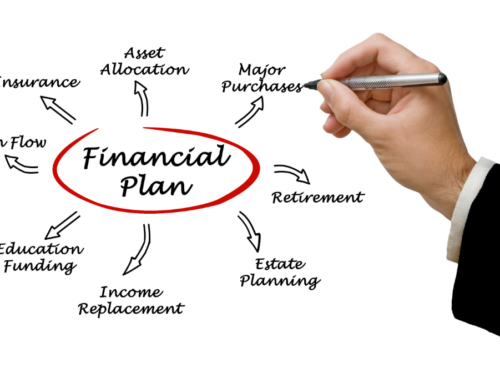
Financial decisions in Puerto Rico are rarely simple. A family may earn income locally, hold retirement accounts from the mainland, own property on the Island, support aging parents, and still need to plan for college, insurance, taxes, and retirement at the same time. That is why financial planning in Puerto Rico cannot be treated like a generic mainland strategy.
Puerto Rico has its own tax system, its own cost structure, its own insurance realities, and a unique relationship with U.S. federal rules. A plan that works in Florida, Texas, or New York may not work the same way for a resident of San Juan, Bayamón, Caguas, Ponce, Mayagüez, Guaynabo, or Carolina.
In 2026, planning matters even more. The Financial Oversight and Management Board noted that Puerto Rico is moving through a slower-growth environment where inflation, tariffs, and household pressure remain important concerns. At the same time, the New York Fed’s 2026 Puerto Rico economic indicators show an economy where the San Juan-Caguas area represents roughly 75% of the Island’s economy. That means many financial opportunities are concentrated, but so are many costs.
A complete financial plan should help answer one question clearly: “Am I making decisions today that protect my income, reduce avoidable risk, and move me closer to the life I want?”

Why Puerto Rico Residents Need a Different Financial Plan in 2026
The financial life of a Puerto Rico resident often crosses two systems: Puerto Rico rules and U.S. federal rules. That creates confusion around taxes, Social Security, retirement accounts, investments, insurance, and estate planning.
For example, PwC’s Puerto Rico 2026 tax summary lists individual income tax rates that can reach 33% for higher taxable income levels. That makes tax structure a major part of planning, not a side issue. At the same time, many residents hold U.S.-based retirement accounts such as 401(k)s, TSP accounts, traditional IRAs, Roth IRAs, or pensions. These accounts may require careful review when distributions begin.
A strong financial planning process in Puerto Rico should not begin with products. It should begin with a full picture of the household: income, expenses, debt, taxes, insurance, investments, business ownership, family responsibilities, and retirement goals.
The 2026 Puerto Rico Financial Reality
Puerto Rico is not simply “cheaper than the mainland.” Some costs are lower, especially rent in certain areas. Others, such as electricity, imported goods, vehicles, property insurance, and healthcare-related costs, can be higher than expected.
A 2026 cost-of-living estimate from Western Union reported that Puerto Rico’s overall cost of living is around 8% lower than the United States, while rent may be around 42% lower. That can help residents and retirees stretch income, but it does not remove the need for planning.
The real issue is not only what things cost. It is how those costs interact with taxes, income, debt, insurance, and savings.
A Puerto Rico resident in 2026 may be dealing with:
- High electricity and utility costs
- Mortgage or rent pressure in metro areas
- Retirement account confusion
- Business cash flow uncertainty
- Insurance gaps after hurricanes or property damage
- Tax exposure from local and federal rules
- College funding responsibilities
- Aging parents and legacy planning
That is why financial planning services in Puerto Rico should be coordinated, not fragmented.
Step 1: Build a Complete Financial Snapshot
Before making investment or insurance decisions, residents need a clear financial snapshot. This is the foundation of comprehensive financial analysis in Puerto Rico.
A proper review should include:
- Monthly income after taxes
- Fixed and variable expenses
- Mortgage, rent, credit cards, auto loans, and business debt
- Emergency reserves
- Retirement accounts
- Investment accounts
- Insurance policies
- Tax liabilities
- Property ownership
- Business ownership
- Family obligations
- Future goals such as retirement, college, relocation, or succession
Many people think they have a financial plan because they own insurance, have a retirement account, or save money each month. In reality, those are only pieces. A plan connects the pieces and shows how one decision affects another.
For example, paying down a mortgage may feel safe, but if it leaves the household with no cash reserve, the family may become vulnerable during an emergency. On the other hand, keeping too much cash may feel comfortable but may reduce long-term growth. The right answer depends on the whole picture.
Read Also: How to Apply for Act 60 in Puerto Rico Before the 2026 Deadline
Step 2: Understand Tax Exposure Before Making Big Decisions
Taxes affect almost every major financial decision in Puerto Rico. Retirement withdrawals, investment gains, business profits, property sales, and insurance strategies can all have tax consequences.
This is where tax planning in Puerto Rico becomes important. Tax planning is not only about filing a return once a year. It is about structuring income, deductions, retirement contributions, and investment activity before the tax bill arrives.
Residents should review:
- Local Puerto Rico taxable income
- Federal filing requirements when applicable
- Retirement account distributions
- Business income
- Investment gains
- Estimated tax payments
- Charitable contributions
- Mortgage interest and property-related items
- Timing of bonuses, sales, or distributions
A person earning a strong income can still feel financially stuck if taxes, debt, and lifestyle costs are not coordinated. Good income tax planning in Puerto Rico should help the resident understand what they keep, not only what they earn.
Step 3: Plan Retirement Around Puerto Rico Rules
Retirement planning in Puerto Rico requires special attention because many residents have mixed retirement assets. One person may have a government pension, Social Security, a 401(k), a Puerto Rico IRA, an annuity, and a taxable investment account. Each source may be treated differently.
That is why retirement planning in Puerto Rico should focus on income sequencing. The question is not only “How much do I have?” The better question is, “Which account should I use first, and how does that affect taxes, risk, and income stability?”
A 2026 retirement plan should review:
- Expected Social Security income
- Pension income
- IRA or 401(k) balances
- TSP balances for federal employees
- Puerto Rico retirement accounts
- Annuity income
- Healthcare costs
- Inflation assumptions
- Survivor income for a spouse
- Long-term care needs
For residents near retirement, tax efficient retirement in Puerto rico planning may help reduce avoidable tax drag and create a smoother income strategy.
Step 4: Review IRA, Annuity, and Investment Decisions
Puerto Rico residents should be careful when moving or withdrawing retirement assets. A U.S. traditional IRA, Roth IRA, employer plan, or Puerto Rico-based IRA may not have identical treatment in every situation.
Working with an IRA Puerto Rico advisor can help residents review contribution history, rollover questions, distribution timing, and tax exposure. The goal is not to chase a product. The goal is to understand how each account fits into the income plan.
Annuities may also play a role for some households. Annuities in Puerto Rico can help create predictable income, but they are not right for every person. The suitability depends on contract terms, fees, guarantees, insurer strength, liquidity needs, tax treatment, and overall retirement goals.
Investments should be reviewed with the same discipline. A portfolio should match the resident’s time horizon, income needs, tax situation, and risk tolerance. A young professional may need growth. A retiree may need income stability. A business owner may need liquidity because business income can fluctuate.
Step 5: Protect the Household With Insurance and Risk Planning
Financial planning is not only about growth. It is also about protection. A strong plan should identify what could damage the household financially and decide how to reduce that risk.
That is where risk management services in Puerto Rico become important.
Residents should review:
- Health insurance
- Life insurance
- Disability insurance
- Property insurance
- Commercial insurance
- Liability exposure
- Emergency reserves
- Business continuity planning
- Hurricane and property damage risk
For families, life insurance in Puerto Rico should be reviewed around income replacement, mortgage protection, children’s education, and surviving spouse needs. For professionals and business owners, disability insurance can be just as important because income depends on the ability to work.
Property insurance also deserves attention. Puerto Rico residents face hurricane, flood, and infrastructure risks that can create serious financial stress. Insurance should be reviewed before a loss, not after.
Step 6: Protect Assets and Plan for Legacy
Many residents wait too long to think about asset protection. By the time a lawsuit, business dispute, creditor issue, health event, or family conflict appears, options may be limited.
Asset protection planning in Puerto Rico should begin while everything is stable. It may include proper account titling, insurance coverage, business entity structure, beneficiary reviews, estate documents, and risk separation between personal and business assets.
For business owners, asset protection may also include separating operating assets from personal wealth, reviewing contracts, maintaining proper insurance, and planning succession early.
Legacy planning is not only for wealthy families. It matters for anyone who wants to avoid confusion, delays, and conflict when assets transfer to the next generation.
Step 7: Plan for College Without Sacrificing Retirement
Many Puerto Rican families place a high value on education. Parents want to help children or grandchildren with college, but they also need to protect their own retirement.
A college fund in Puerto Rico should be coordinated with retirement planning. Parents should avoid creating a college strategy that leaves them financially exposed later.
College planning should review:
- Expected education timeline
- Local vs. mainland tuition
- Scholarships and grants
- Savings capacity
- Investment risk
- Parent retirement progress
- Grandparent contributions
- Tax considerations
A college plan should be generous, but not reckless. Children can borrow for school in some situations. Parents usually cannot borrow safely for retirement.
Read Also: How Much Do I Need to Retire Comfortably in Puerto Rico in 2026?
Step 8: Business Owners Need a Personal and Business Plan Together
For business owners, personal finances and business finances often overlap. Cash flow, taxes, payroll, insurance, retirement plans, debt, and succession all affect the owner’s personal future.
That is why financial planning for business owners in Puerto Rico should connect the business plan with the personal plan.
Business owners should review:
- Owner compensation
- Business emergency reserves
- Tax planning
- Retirement plan options
- Key-person risk
- Commercial insurance
- Buy-sell planning
- Business debt
- Succession or exit strategy
A profitable business does not automatically create personal wealth. The owner needs a system to turn business cash flow into protected, diversified, long-term assets.
Step 9: Know When to Get Professional Guidance
Many Puerto Rico residents search for a financial advisor in Puerto Rico because they feel overwhelmed. They may have accounts, insurance policies, or tax documents, but no unified strategy.
Professional guidance may be useful when:
- Income has increased
- Taxes feel too high
- Retirement is 5–10 years away
- A business is growing
- A parent needs care
- A child is approaching college
- A property is being purchased or sold
- Retirement accounts are scattered
- Insurance has not been reviewed in years
- The family wants a clearer estate plan
The best planning conversations are proactive. Waiting until a tax deadline, medical event, retirement date, or market decline often limits the available choices.
Conclusion
Puerto Rico residents do not need more random financial products. They need clarity. A strong financial plan should show where the household stands, what risks need attention, which goals are realistic, and what steps should come next.
In 2026, that means coordinating income, taxes, investments, insurance, retirement, property, education, and legacy planning under one strategy. When those pieces work together, the resident can make decisions with more confidence and fewer surprises.
For individuals, professionals, federal employees, and business owners in Puerto Rico, the right financial planning process can turn uncertainty into direction.