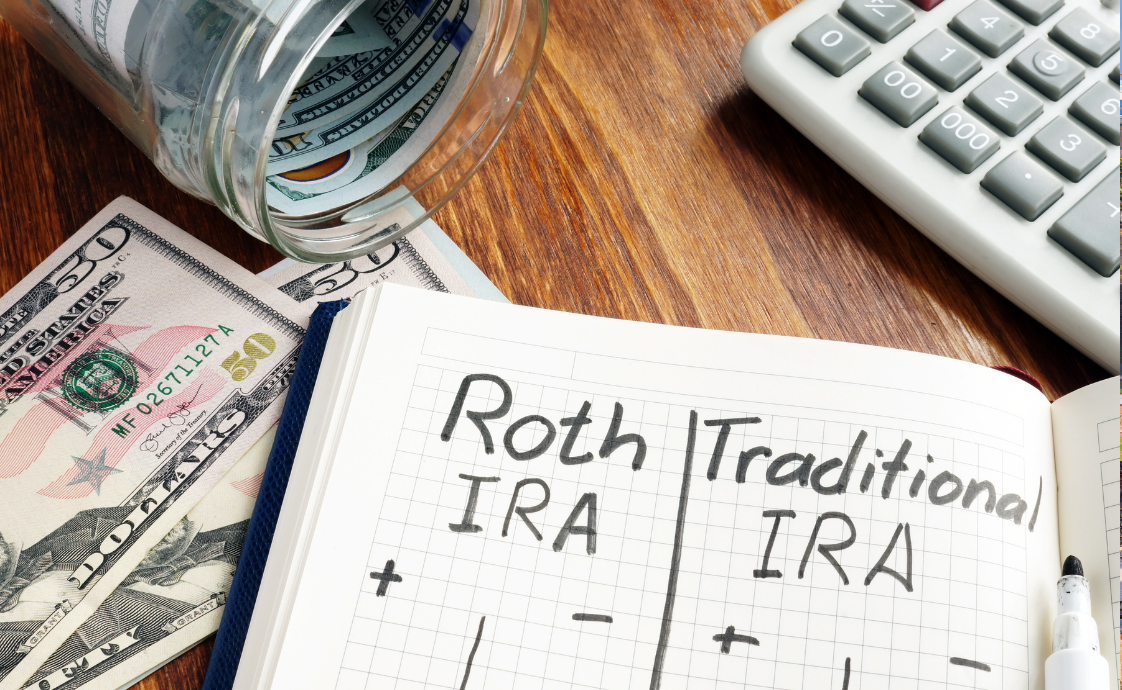
Every year, millions of Americans face the same retirement account decision, but Puerto Rico residents navigate it with an extra layer most mainland guidance never addresses: how federal IRA rules and Puerto Rico’s own retirement-account and tax provisions may apply differently depending on the type of account, residency status, and source of income. Getting the Roth versus Traditional question right matters more than most people realize, since the wrong choice compounds silently for decades before its true cost becomes visible.
For 2026, the IRS increased the combined annual contribution limit for Traditional and Roth IRAs to $7,500, with an additional $1,100 catch-up contribution available for savers 50 and older, bringing their total to $8,600, according to this 2026 IRS retirement plan limits announcement. That limit applies across both account types combined, not separately to each, which means the real decision isn’t whether to save more, but which tax treatment makes the most sense for your specific situation.
How a Traditional IRA Actually Works
A Traditional IRA allows eligible individuals to make contributions that may be deductible for federal income-tax purposes, subject to applicable rules. The core appeal is straightforward: a deductible Traditional IRA contribution may reduce current taxable income, subject to applicable deduction rules, which matters most for savers currently in a higher tax bracket than they expect to occupy in retirement.
When a Traditional IRA Makes the Most Sense
A Traditional structure tends to fit a specific financial profile best:
- Current income puts the saver in a meaningfully higher tax bracket than they expect in retirement
- The immediate tax deduction will genuinely be reinvested rather than spent
- The saver’s eligibility for a deduction depends on income and whether the saver or spouse is covered by a workplace retirement plan.
Read Also: Using Your Puerto Rico Business as a Retirement Vehicle
How a Roth IRA Actually Works
A Roth IRA flips the tax treatment entirely: contributions are made with after-tax dollars, so there’s no upfront deduction, but qualified withdrawals in retirement, including all investment growth, come out completely tax-free. For 2026, direct Roth contributions phase out for single filers with modified adjusted gross income between $153,000 and $168,000, and for married couples filing jointly between $242,000 and $252,000, according to this 2026 Roth IRA income limits update. Savers above these thresholds may still consider a backdoor Roth strategy, subject to applicable tax rules and reporting requirements, by contributing to a Traditional IRA and then converting eligible amounts to a Roth IRA.
Why Younger Savers Often Lean Roth
A Roth structure tends to reward a different kind of saver:
- Younger professionals early in their careers, likely in a lower tax bracket now than they’ll occupy later
- Savers who value tax-free withdrawals with no required minimum distributions during their lifetime
- Anyone who expects tax rates in general to rise before they retire, locking in today’s rate instead
The Puerto Rico Tax Filing Layer Most Guides Skip
The rules that apply to an IRA can depend on the type of account involved and the taxpayer’s circumstances. Federal IRA rules govern federally established Traditional and Roth IRAs, while Puerto Rico has its own tax provisions affecting retirement accounts and their treatment. For Puerto Rico residents, deductions, contributions, conversions, and distributions should therefore be reviewed based on the specific account, residency status, source of income, and applicable filing obligations. An IRA advisor familiar with both systems can determine whether a Traditional IRA deduction that reduces federal taxable income provides the same benefit against Puerto Rico Hacienda obligations, since the two systems don’t always align.
A Simple Framework for Making the Decision
Rather than trying to predict future tax rates with certainty, a workable decision framework focuses on what’s actually knowable today. Compare your current marginal tax rate against your best estimate of your retirement-year tax rate. If today’s rate is clearly higher, a Traditional IRA may be more appropriate. If today’s rate is clearly lower, or if income limits block Traditional deductibility anyway due to workplace plan coverage, a Roth IRA may offer greater long-term benefits. When the comparison is genuinely uncertain, splitting contributions between both account types hedges against getting the prediction wrong in either direction.
Common Mistakes That Cost Puerto Rico Savers
A handful of avoidable errors show up repeatedly in IRA planning conversations. Contributing to a Roth IRA without checking current-year income against the phase-out thresholds can create an excess contribution that triggers IRS penalties if not corrected before the filing deadline. Assuming a Traditional IRA deduction automatically applies, without checking workplace plan coverage and the relevant phase-out range, can also result in a non-deductible contribution that still needs to be reported correctly to avoid double taxation later. Both mistakes are often preventable with proactive retirement and tax planning.
Building a Retirement Strategy Around Both Account Types
Many savers eventually hold both a Traditional and a Roth IRA, using each for a different purpose within an overall retirement planning in Puerto Rico strategy. Contributing to a Traditional account during peak earning years, then shifting toward Roth contributions as income drops closer to retirement, or converting Traditional balances to Roth during lower-income years, gives savers meaningful flexibility to manage their tax bill both now and decades into the future. A tax planning advisor in Puerto Rico who models both federal and island-specific tax implications can help sequence these decisions rather than treating each contribution as an isolated choice.
Roth Conversions: A Strategy Worth Understanding
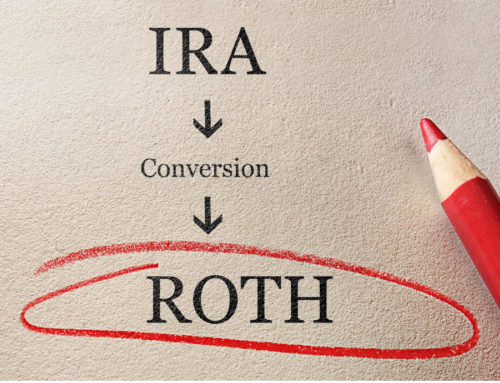
A Roth conversion lets a saver move existing Traditional IRA funds into a Roth account, paying income tax on the converted amount now in exchange for tax-free growth and withdrawals afterward. This strategy tends to work best during years when income, and therefore the applicable tax rate, is temporarily lower than usual, such as a sabbatical year, an early-retirement gap before Social Security begins, or a year with unusually high deductions.
When a Conversion Tends to Make Sense
A handful of situations make Roth conversions worth a closer look:
- A temporary drop in income pushes the saver into a lower tax bracket than usual
- Required minimum distributions from Traditional accounts are expected to create a large tax burden later, and reducing that balance now through gradual conversions spreads the tax impact across more years
- The saver expects to leave IRA assets to heirs and wants to consider the potentially favorable tax treatment of Roth assets for beneficiaries, subject to inherited-IRA rules.
Read Also: When to Hire a CFO vs a Financial Advisor in Puerto Rico
What Happens to These Accounts If You Move Between Puerto Rico and the Mainland
Puerto Rico residents who relocate to the mainland, even temporarily, or mainland residents who move to the island under Act 60 or another program should understand that, for federally established IRAs, federal account rules generally continue to apply after a move. However, the tax treatment of contributions, conversions, and distributions may depend on residency, income source, and the applicable jurisdiction. What does change is the interaction between IRA distributions and whichever jurisdiction’s tax return applies for a given year, which makes this exact scenario one of the more common reasons Puerto Rico clients seek out specialized guidance rather than relying on generic online calculators built for mainland-only taxpayers.
Frequently Overlooked Details That Affect the Decision
A few smaller rules trip up even diligent savers. Spousal IRAs allow a non-working or lower-earning spouse to contribute based on the working spouse’s income, effectively doubling household contribution capacity in many families. The deadline for a given tax year’s contribution actually falls on the federal tax filing deadline the following spring, not December 31, giving savers extra time to fund an account after reviewing their full-year tax picture. And required minimum distributions, which apply to Traditional IRAs but not to Roth IRAs during the original owner’s lifetime, can meaningfully affect which account type makes more sense for someone who doesn’t expect to need the money and would prefer to pass it to heirs with maximum flexibility.
Making the Right Call for Your Situation
Neither account type is universally superior, and the right answer depends on today’s tax bracket, expected retirement income, and how a given deduction actually interacts with Puerto Rico’s tax obligations, not just the federal return. A conversation with a financial professional who understands both Puerto Rico and federal tax rules can turn an abstract Roth-versus-Traditional debate into a decision based on your actual circumstances.
JLA Financial Planning helps clients across Puerto Rico choose between Roth and Traditional IRA structures based on their full federal and island tax picture.
Disclaimer: This article is for educational purposes only and does not constitute individualized financial, tax, or legal advice. Consult a licensed professional regarding your specific circumstances.