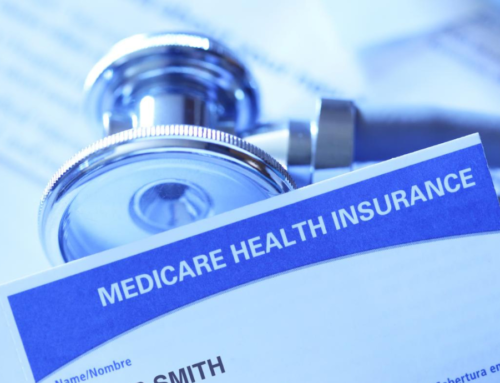
Nationally, KFF reported that the amount insurers charge for ACA Marketplace coverage is rising by an average of 26% in 2026, although the actual amount a household pays can vary by plan, subsidy eligibility, income, and location. The Commonwealth Fund also noted that ACA premiums increased by more than 20% in 2026, partly because insurers expected higher risk, policy changes, and subsidy uncertainty. For a federal employee, an executive, a physician, or a small business owner, the question is no longer whether to carry coverage. It is whether the coverage already in place actually protects the rest of the financial picture.
Puerto Rico’s coverage landscape is different from many mainland states, with many residents relying on public coverage such as Plan Vital or employer-based plans. Still, having coverage does not always mean a household is fully protected from deductibles, co-pays, network limits, or income disruption. A plan that satisfies an enrollment requirement is not the same as one that protects household cash flow, business operations, and long-term assets when something serious happens.
This guide walks through what professionals in Guaynabo should review before choosing or renewing health insurance; not just the premium, but the deductible structure, the network, and how the policy interacts with disability and life coverage, taxes, and long-term planning. These are practical decision points to take into open enrollment or into a conversation with an advisor before your next policy.
Why Health Insurance Planning Matters for Professionals in Guaynabo
Guaynabo sits at the center of Puerto Rico’s metropolitan economy; home to federal workers, executives, attorneys, physicians, consultants, and business owners. These are exactly the households where a single hospitalization or an unexpected chronic diagnosis can derail years of financial work if coverage is misaligned. Puerto Rico also carries meaningful chronic health concerns. Recent Puerto Rico-focused health data continues to show that chronic conditions such as diabetes, hypertension, and cardiometabolic risk are important planning concerns for many households.
For professionals between 35 and 65, the prime earning and planning years, the financial impact of an under-covered medical event compounds quickly: lost income, depleted savings, early withdrawals from tax-advantaged accounts, and in worst cases, debt that follows the household for years. Choosing health insurance in Puerto Rico with the broader financial picture in mind is what separates a real safety net from a paper one.
Health Insurance Is Not Just a Monthly Premium Decision
Many professionals review coverage by sorting plans from cheapest to most expensive. That approach is incomplete. The premium is only one component of the total cost of being covered and often the smallest one in the year a real medical event happens.
What Your Coverage May Cost Beyond the Premium
Before choosing a plan, professionals should add up every cost the insurer can pass through:
- The annual deductible; the amount you may need to pay before the plan begins covering certain services; can vary widely by plan level, insurer, and location.
- Coinsurance; the percentage you pay after the deductible, often 20% to 40%.
- Copays for primary care, specialists, urgent care, and emergency visits.
- The out-of-pocket maximum, which is the true ceiling on a bad year.
- Prescription tiers, especially for chronic and specialty medications.
A plan with a $400 premium and $7,000 deductible can cost more in a year with surgery than a plan with a $600 premium and $2,500 deductible. The brochure rarely tells the full story.
Why Deductibles, Networks, and Out-of-Pocket Costs Matter
Network design quietly determines what you actually pay. Even with strong coverage on paper, an out-of-network specialist, anesthesiologist, or lab can produce charges the plan barely touches. In Puerto Rico, where many professionals coordinate care between local providers and mainland specialists, network breadth determines whether your preferred physicians and hospitals are covered at in-network rates or treated as costly exceptions. Reviewing the network, referral rules, and prior-authorization requirements before enrollment is far cheaper than discovering the limits during a medical crisis.
Read Also: Tax Planning in Bayamón: What Self-Employed Workers Should Do
Review Your Family, Income, and Career Situation Before Choosing Coverage
The right plan depends on who depends on you and how your income is structured. A 32-year-old contractor and a 52-year-old federal manager with two dependents do not need the same coverage. Plan selection should follow life stage and income structure.
Coverage Needs for Married Professionals and Families
Married professionals with children carry cumulative health risk; more covered lives, more pediatric visits, more potential ER trips, and often eldercare considerations. For these households, the family deductible and out-of-pocket maximum matter more than the headline premium. A plan that reaches its family deductible relatively quickly and caps total annual spending predictably is often a better fit than one with a lower premium and a back-loaded structure.
Life stage also shifts priorities. A household pursuing retirement planning Puerto Rico goals should weigh how a medical event in their 50s could force early withdrawals, interrupt compounding, and push the planned retirement date back by years. Health coverage in this stage is also retirement coverage in disguise.
Coverage Needs for Self-Employed or Independent Professionals
Self-employed professionals; attorneys, physicians, consultants, contractors, carry a double exposure: the medical event itself and the income loss from time away from the business. Plan selection should consider:
- Whether the plan supports a Health Savings Account (HSA) or similar savings strategy, and how that account is treated under applicable federal and Puerto Rico rules.
- Premium predictability against the cash-flow seasonality of the business.
- Whether the network covers the specialists and hospitals near Hato Rey, Guaynabo, and San Juan that you use.
- How the plan handles diagnostic testing, which is often the first cost in any new health concern.
The wrong plan for a small business owner is the one that looks cheapest in January and looks ruinous in October.
How Health Insurance Fits into Risk Management
Risk management is the discipline of identifying what could damage your financial picture and putting controls in place before the damage happens. Health coverage is one of the most important of those controls and one of the most overlooked. A plan reviewed in isolation, once a year, almost always under-performs a plan reviewed in the context of the rest of your financial life.
Protecting Cash Flow from Unexpected Medical Costs
Even insured households can face financial strain when coverage does not match their real risk. Older research has linked medical bills and illness-related income loss to a large share of U.S. personal bankruptcy cases, while the Commonwealth Fund’s 2024 survey found that nearly 1 in 4 working-age adults were underinsured. Underinsurance is not a question of whether you have a plan, it is whether the plan leaves you exposed to costs you cannot absorb alone.
The point of coverage is to keep a single medical event from forcing the liquidation of investments, the interruption of retirement contributions, or the use of business operating cash to pay medical bills. Properly structured coverage is part of a broader asset protection in Puerto Rico strategy, it shields the assets you have spent a career building.
Why Insurance Should Be Reviewed with the Full Financial Plan
A plan that looks fine in isolation can fail when viewed next to your tax position, retirement accounts, business structure, and debt schedule. A high-deductible plan paired with an HSA or similar savings strategy may work well for a healthy professional who can absorb the deductible, but the tax treatment and suitability should be reviewed under applicable federal and Puerto Rico rules. The same plan is a poor fit for a household stretched on cash flow. The review only makes sense in context.
Health Insurance, Life Insurance, and Disability Insurance: Why They Should Work Together
Health coverage handles the medical bill. It does not replace your paycheck if you cannot work, and it does not protect your family if you do not survive the event. These three protections; health, disability, and life insurance in Puerto Rico, function as one coordinated system. Gaps appear most often when they are bought in isolation, years apart, from different sources, with no one checking how they overlap.
Health coverage pays the providers, but stops at the hospital door. Disability income coverage may replace a portion of earnings if illness or injury keeps someone from working. The Social Security Administration states that about 1 in 4 of today’s 20-year-olds will become disabled before reaching age 67. Life coverage is what stands between your spouse, children, or business partners and the financial consequence of an early loss.
Industry research on disability leave consistently shows that income interruption can create lasting financial stress, especially when households do not have enough savings or disability income protection in place. This reflects what can happen after the medical event, when the rest of the protection system is not strong enough to absorb the income loss. For professionals with significant earning power, coordinating these three coverages is what separates a temporary disruption from a permanent setback.
How Professionals Can Avoid Underinsuring Their Financial Life
Underinsurance is the quiet failure mode. Most professionals do not buy zero coverage, they buy enough to feel responsible, then move on. The problem is that ‘enough’ usually means ‘enough premium,’ not ‘enough protection.’ Healthcare costs have continued to rise faster than many household budgets can comfortably absorb, which makes periodic coverage reviews more important for professionals with family, business, or retirement responsibilities.
Three patterns appear repeatedly. First, the plan was right five years ago, but income, family structure, or health status have changed. Second, the plan covers one risk well but leaves a gap elsewhere, strong health coverage but no disability policy, or strong group life but a deductible the household cannot meet without tapping investments. Third, the plan reflects only what the employer offers, not what the household actually needs.
A periodic coverage audit, every two to three years, or after any meaningful life event, closes those gaps before they turn into claims you cannot afford.
When to Review Your Coverage with a Financial Advisor in Puerto Rico
Certain moments are natural review points: a new job or contract change, a marriage, a birth, or a divorce. A new diagnosis or an aging parent moving in changes the math. Open enrollment is a built-in checkpoint. A material change in income; a promotion, business growth, the approach of retirement, should also trigger a review.
Working through coverage with a financial advisor in Puerto Rico who understands both Island and federal rules matters because Puerto Rico is governed by both at once. Health insurance plans in Puerto Rico, premium costs, possible savings strategies, FEHB coordination for federal employees, and long-term income planning can all work differently depending on where you live and how your income is structured. Generic mainland advice does not account for them.
The goal of the review is not to sell a different plan. It is to make sure the plan you have or the one you are about to choose, actually fits the rest of your financial picture.
Read Also: Federal Retirement Income Risks Beyond Your Pension in San Juan
Conclusion
Health coverage decisions look small in the moment; a checkbox during open enrollment, a renewal email from a broker. Over a 20- or 30-year career, those small decisions compound. The wrong plan during one bad year can erase savings that took a decade to build. The right plan, reviewed against the rest of your financial life, becomes almost invisible, it does its job in the background and lets you focus on building, not defending.
For professionals in Guaynabo, the meaningful question is not ‘which plan is cheapest.’ It is ‘which plan keeps the rest of my financial life intact if something goes wrong.’ That question is best answered by reviewing health coverage alongside disability protection, life coverage, tax position, and long-term investment goals. That is where financial planning in Puerto Rico and risk management should work together; not as separate decisions, but as one coordinated strategy designed around your household, income, and long-term goals.
To review your health insurance, risk protection, and broader financial plan, request a consultation with JLA Financial Planning and get a clearer view of how your coverage supports your long-term goals.