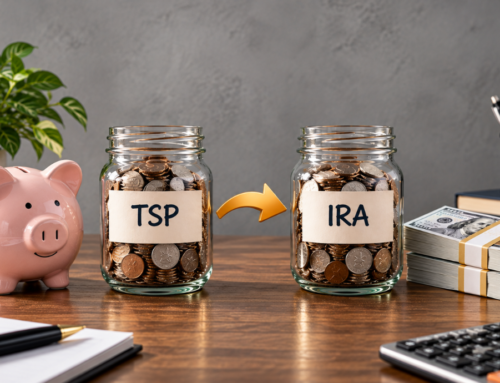
High income often leads to higher spending because of lifestyle inflation rather than increased savings. Thus, merely earning more does not guarantee financial security because wealth depends on accumulated assets and spending habits rather than cash flow, with high earners often falling victim to lifestyle inflation.
What high income does is that it acts like a safety net that makes you neglect budgeting, saving, and financial planning in Puerto Rico. However, that’s not the truth: long before you realise your patterns, it’s time to retire, and you are left with no savings, a stable job with a family to take care of.
So what can you do, as a high-earning professional in Puerto Rico, to ensure a financially secure future? Let’s delve deeper and navigate the process.
Why Many High Earners Still Feel Financial Pressure
High earners in Puerto Rico often feel financial pressure due to a combination of high living costs, particularly for imported goods and electricity. Thus, rising inflation and the hidden costs of maintaining a luxury lifestyle, despite attractive tax incentives, are some of the top reasons even high earners feel financial pressure.
Rising Lifestyle Expenses
High earners in Puerto Rico often feel financial pressure due to a combination of high inflation, surging housing costs, and expensive utility bills that outpace income growth. Despite high salaries, these professionals face significant lifestyle creep because of high taxes and a luxurious lifestyle, making it hard to build true wealth.
Family Responsibilities And Long-Term Goals
Intense familial financial responsibility, like supporting extended family, and significantly underestimated long-term tax and planning risks are major reasons that affect high earners. Many Puerto Rico households experience financial pressure, since many high earners are financially supporting both children and aging parents, a cultural norm that creates intense “sandwich generation” stress and limits personal savings rates. Additionally, most families focus on income growth but overlook the long-term impact of local taxes and the necessity of financial planning.
Taxes, Debt, and Inconsistent Savings
The primary financial pressure comes from Puerto Rico’s high cost and low growth scenario, which is driven by steep local taxes, the economic drag of public debt, and limited local investment options that complicate savings. The stagnant economic growth and lack of effective tax planning in Puerto Rico often lead to high-income professionals falling into a loop of taxes, debt, and improper savings.
Read Also: IRA Planning for Professional & Self-Employed Workers in Carolina
The Hidden Gaps Behind a Strong Income
Despite high income levels, many professionals face significant financial fragility. This situation is characterized by high consumption, elevated debt, and a lack of proper planning, leading to a situation where it is marked by high spending, debt pressure, limited emergency reserves and lack of coordinated planning.
No Clear Savings System
Despite strong earnings, many professionals are ending the month with almost nothing in their savings. The lack of a disciplined, automated savings mechanism leaves high earners vulnerable to lifestyle creep. High earners often overspend to maintain a certain standard of living, neglecting long-term wealth accumulation. Thus, without a clearly defined financial plan, savings are often treated as leftovers rather than an authentic contribution to the future.
Weak Emergency Reserves
Many Puerto Rican households are facing financial pressure, feeling unable to cover unexpected expenses, a rate significantly higher than in the mainland USA. The high cost of insurance and potential for natural disasters mean that without proper emergency funds, high-income households risk having to liquidate investments during a crisis. A lack of liquidity often leads to higher reliance on debt during emergencies, as is often reported.
Unclear Investment Direction
Many, including those participating in Act 60, fail to develop a cohesive investment strategy, focusing instead on short-term tax benefits rather than long-term growth. Failure to properly account for the volatility of the local economy, such as aging infrastructure and debt issues in investment portfolios.
Lack of Protection Planning
High earners often prioritize investments over protection, leaving them vulnerable to losses from disability, illness, or lawsuits. Many homeowners and business owners in Puerto Rico lack adequate insurance coverage, leaving them exposed to significant financial loss during natural disasters such as hurricanes. Failure to integrate insurance with overall financial and asset protection planning can lead to the forced liquidation of assets to cover unexpected expenses.
Lifestyle Creep and Cash Flow Problems
Lifestyle creep happens when discretionary spending increases as income rises, often turning luxuries into needs and preventing wealth accumulation. Even high earners in high-cost areas like San Juan can feel financially stretched, as rising expenses, debt, and societal pressure to maintain a certain image outpace income growth, leading to cash flow problems.
How Spending Grows with Income
After a pay raise, promotion, or bonus, people often upgrade their lifestyles, with a bigger house, car, and more vacations, assuming they have more disposable income. It is often a gradual, subconscious process rather than a single large spending event. Treating a temporary bonus as a permanent increase in income.
Why High Earners May Still Feel Financially Stretched
High earners may have high fixed expenses, such as luxury housing or private schools, which leave little flexibility when unexpected costs occur. However, you feel the impact of wealth creep when high-end travel, groceries, and services cost significantly more, reducing your discretionary income. It’s also easy to find yourself trapped in demanding, high-paying jobs just to support your lifestyle, often leading to wanting a simpler life.
How to Create Better Spending Boundaries
One of the first things that you should do is allocate salary increases to savings or investment accounts. This will prevent the money from reaching your checking account. Regularly tracking expenses to understand exactly where money is going and identify areas for cutbacks is also a crucial step. You also need to question every increase in spending, analysing if it is a necessary upgrade or a simple desire. Another essential part of the process is to set clear financial goals, like establishing a 6-12 months emergency fund, working on eliminating debt, and focusing on investment options in Puerto Rico for retirement income.
Tax Exposure That Reduces Real Wealth
To protect real wealth in 2026, proactive management in Puerto Rico is becoming exceedingly important. Recent changes to the island’s tax framework under Act 60, along with the possibility of additional local tax reforms, can affect those benefiting from preferential tax treatment. However, Act 60 doesn’t apply to every high income professional in Puerto Rico. Thus, without timely planning some may lose their eligibility for exemptions and become subject to the 4% investment income tax for taxable years ending after January 1, 2027.
Why Tax Planning Should Happen Before Filing Season
Waiting until filing season makes it impossible to fix issues related to the years before. Effective tax planning is vital to minimize liability by using available exemptions. Planning during the fourth quarter allows for adjusting compensation structures, accelerating expenses, or shifting income. For 2026, Act 60 applicants must file by December 31, 2026, to lock in 0% rates on capital gains, dividends, and interest; those filing after will be subject to a 4% tax. Thus, to get maximum benefits, you can partner up with a financial advisor in Puerto Rico because proactive planning ensures that all available deductions and credits are identified, which reduces the overall tax bill.
How Can Poor Tax Timing Reduce Savings?
Poor timing can lead to unintended tax liabilities, often making the difference between high returns and eroded savings. If assets are not properly structured, gains that occurred before you become a bona fide Puerto Rican resident may still be taxed by the US at federal rates, even if they are sold while living on the island.
Additionally, missing the deadline to file the annual report or the $15,000 philanthropic contribution or failing to make required estimated payments throughout the year can void the tax decree entirely and lead to heavy penalties.
Puerto Rico-Specific Tax Considerations
Puerto Rico has a unique tax landscape that requires specialized knowledge to maximize benefits and avoid pitfalls. For instance, as per recent changes, even though Act 60 has been extended to 2055, new applicants after 2026 will face a 4% tax on interest, dividends, and capital gains rather than the previous 0%. Puerto Rico also requires a strict adherence to residency rules, which often involves at least 183 days, a tax home, and a closer connection to the island, amongst other policies. Thus, understanding its unique tax considerations is essential to ensure thorough planning.
Read Also: Health Insurance Planning Guide for Professionals in Guaynabo
Investments Without a Clear Strategy
Investments in Puerto Rico without a clearly defined strategy can be devastating for someone with significant income, as you may end up not meeting the required residency and compliance standards associated with those investments, and can also be subject to possible federal tax penalties. Additionally, without a strategy, you may have also missed many of the critical bona fide residency requirements that allow for tax exemptions, not properly fulfil their exit plan, and have incurred large amounts of liquidity taxes as a result.
Investing Without Defined Goals
Investments without any defined goals can be dangerous because the complex Act 60 incentives require precise, long-term strategic planning to maintain compliance and avoid IRS scrutiny. Without clear goals, high earners risk over-allocating to volatile assets, failing to meet annual operational requirements, and wasting rather than optimizing tax advantages.
Taking Too Much or Too Little Risk
The Act 60 incentive framework can reduce income taxes to 4% and capital gains to 0%. It is highly specialised and carries significant regulatory, tax, and infrastructure risks. Mismanaging these risks can result in losing the tax benefits entirely, exposing income to both IRS scrutiny and local, high-cost living expenses. All this makes it essential for you to keep the right balance since too much risk or too little can be detrimental to your overall investments.
Reviewing Investments as Income Grows
Reviewing investments as income grows is critical for high earners in Puerto Rico to ensure compliance with the strict Act 60 residency and sourcing requirements. This maximizes tax exemptions and avoids tax drag where investment income remains subject to US federal taxation. Thus, as your income grows, active management becomes important to transition into tax-efficient Puerto Rico-sourced assets.
Protection Planning as Income Grows
As income grows, asset protection planning in Puerto Rico becomes essential to secure, maintain, and defend wealth against unique risks, such as complex regulatory environments, natural disaster vulnerability, and specific tax compliance demands. As income increases, the potential for greater financial loss during unexpected events rises, making comprehensive strategies necessary to avoid the erosion of assets.
Protecting Family Income
High-earning professionals often have high fixed expenses and debt. Thus, income protection services provide a safety net that ensures family financial commitments, such as housing and education, are met even if the primary earner is unable to work because of injury or illness.
Reviewing Life and Disability Coverage
High-wage earners typically outgrow their regular employer-sponsored plans, which don’t offer enough income-related benefits when earnings increase. Regular reviews of coverage ensure that it meets the necessary income replacement for professionals with high wages and financial losses due to changing standards of living.
Protecting Assets as Wealth Increases
If someone stops receiving some earnings, they should have enough savings to carry them through until they can find another job. High-income earners will benefit from having adequate savings because of all the uncertainties that exist with being in an unstable job market or industry.
Conclusion
Financial planning, therefore, is crucial for high-income professionals because they face complex tax challenges and unique benefits that, if missed, can lead to hefty penalties. Retirement savings should grow with income to maintain a high standard of living, maximize tax incentives like Act 60, and counteract inflation and higher longevity.
Proper planning avoids double taxation on savings, maximizes tax-deferred deductions under both IRS and local laws, and optimizes benefits for high earners and retirees. Navigating Puerto Rico’s complex economic and financial scenario can be difficult, which is why JLA Financial Planning provides retirement and financial planning services in Puerto Rico.
We review income, taxes, investments, and risk, helping you build a coordinated financial strategy and turn income into security. Our personalised plans are tailored to your needs and ensure serving not only your long-term but also short term day to day goals.